Underground water and turning robes: my slow Sultanahmet afternoon between the Cistern, the dervishes, and Chimney Bistro
I spent an unhurried afternoon descending into the cool gloom of the Basilica Cistern, watching the Mevlevi sema ceremony at dusk, and ending with warm pide at Chimney Bistro.
Whenever I board the morning flight from Zagreb to Istanbul, I make myself a quiet promise: no frantic checklists, no running between monuments with an eye on the clock. Back home in the municipal archive, my entire working life is spent cataloguing records of centuries past, tracing how imperial borders shifted across our corner of the Balkans and left behind familiar words, coffee rituals, and a shared instinct for taking life polako—slowly, without drama. Istanbul always feels to me like a grand elder relative of that same world. On this trip, I decided to dedicate a single afternoon and evening to just three experiences on the Historic Peninsula, keeping the pace loose enough to let each space actually sink in.
I began after a long midday coffee, wandering across the tram line toward the sunken brick roof of the Basilica Cistern. The street above was humming with traffic and chatter, but the moment I stepped past the threshold and began the descent, the noise of modern Istanbul vanished completely.
Stepping down into the silence of the Basilica Cistern
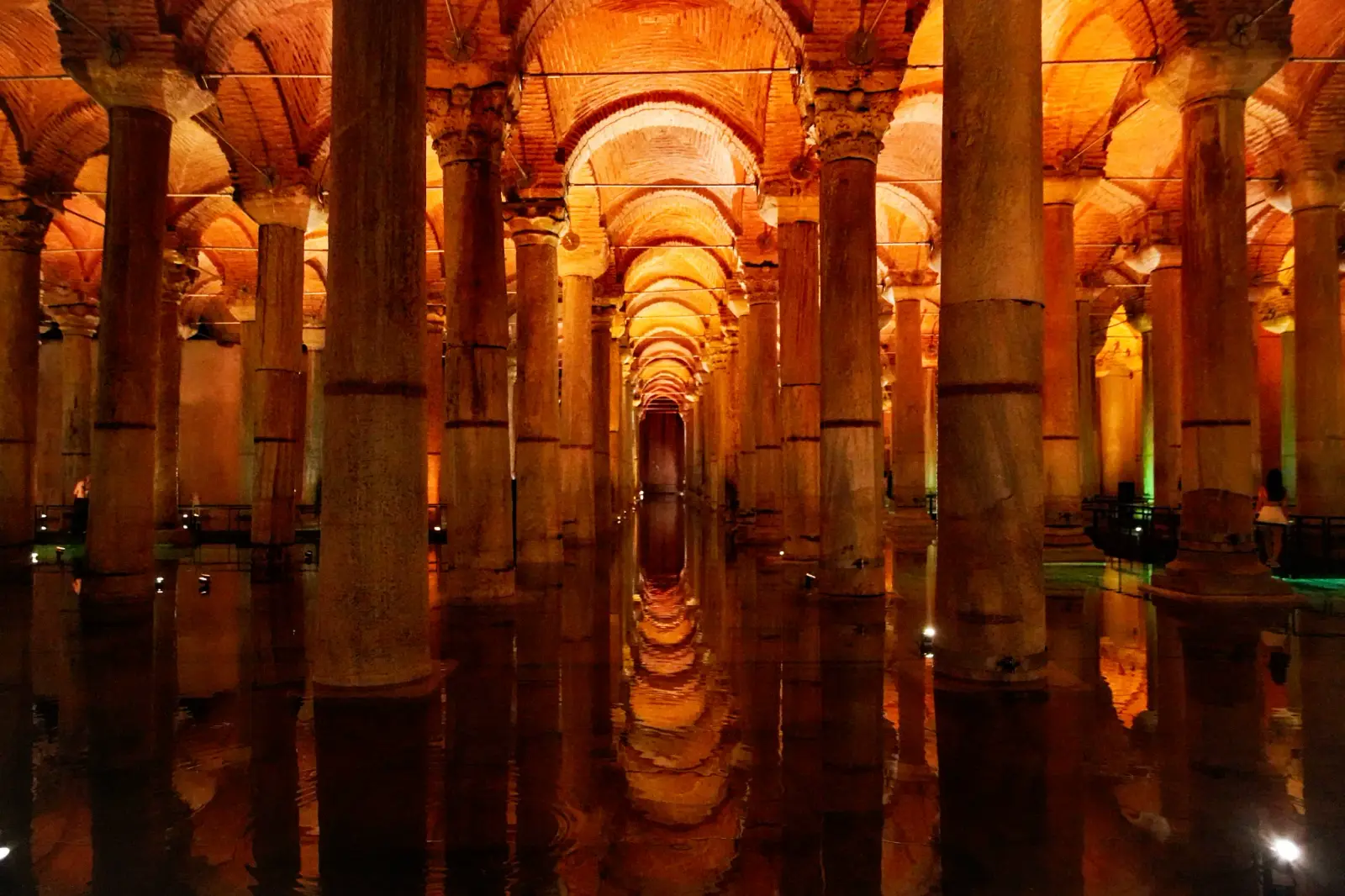
The air inside the cistern changed instantly, turning cool, still, and faintly damp. A subterranean forest of carved marble columns opened up before me, rising out of shallow, dark water that mirrored every brick arch above. Modern metal and timber walkways hovered just above the surface, allowing me to stroll directly among the ancient pillars without breaking the stillness.
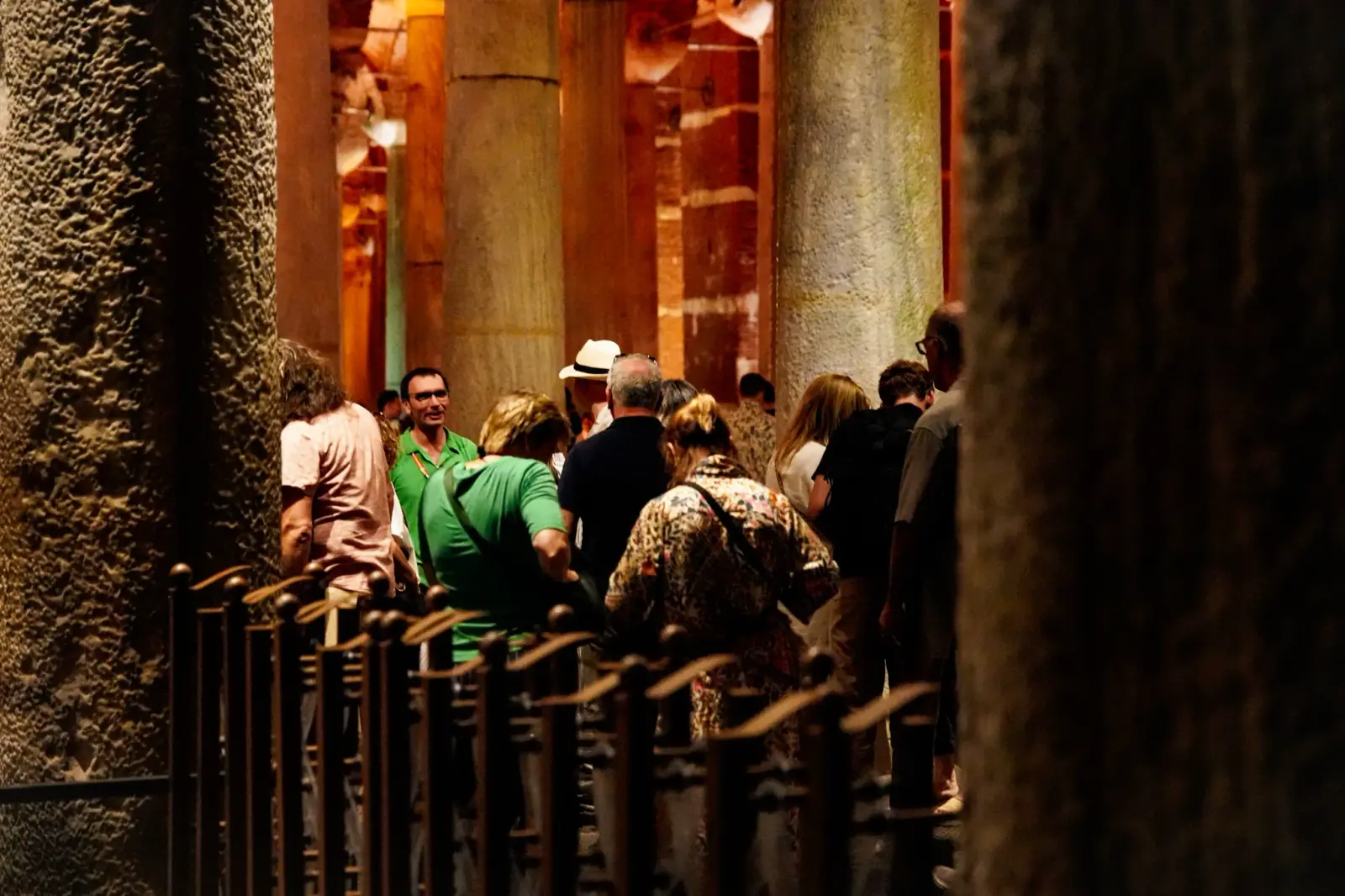
I found myself slowing down to a crawl. The illumination shifted subtly through soft shades of amber and shadow, highlighting the delicate stone carvings on the column capitals. As someone who spends his days surrounded by fragile paper, there was something grounding about being enclosed by sixth-century Roman brickwork and stone that had held water for the city across hundreds of years. The drip of moisture falling from the vaulted ceiling into the pool was the only regular sound.
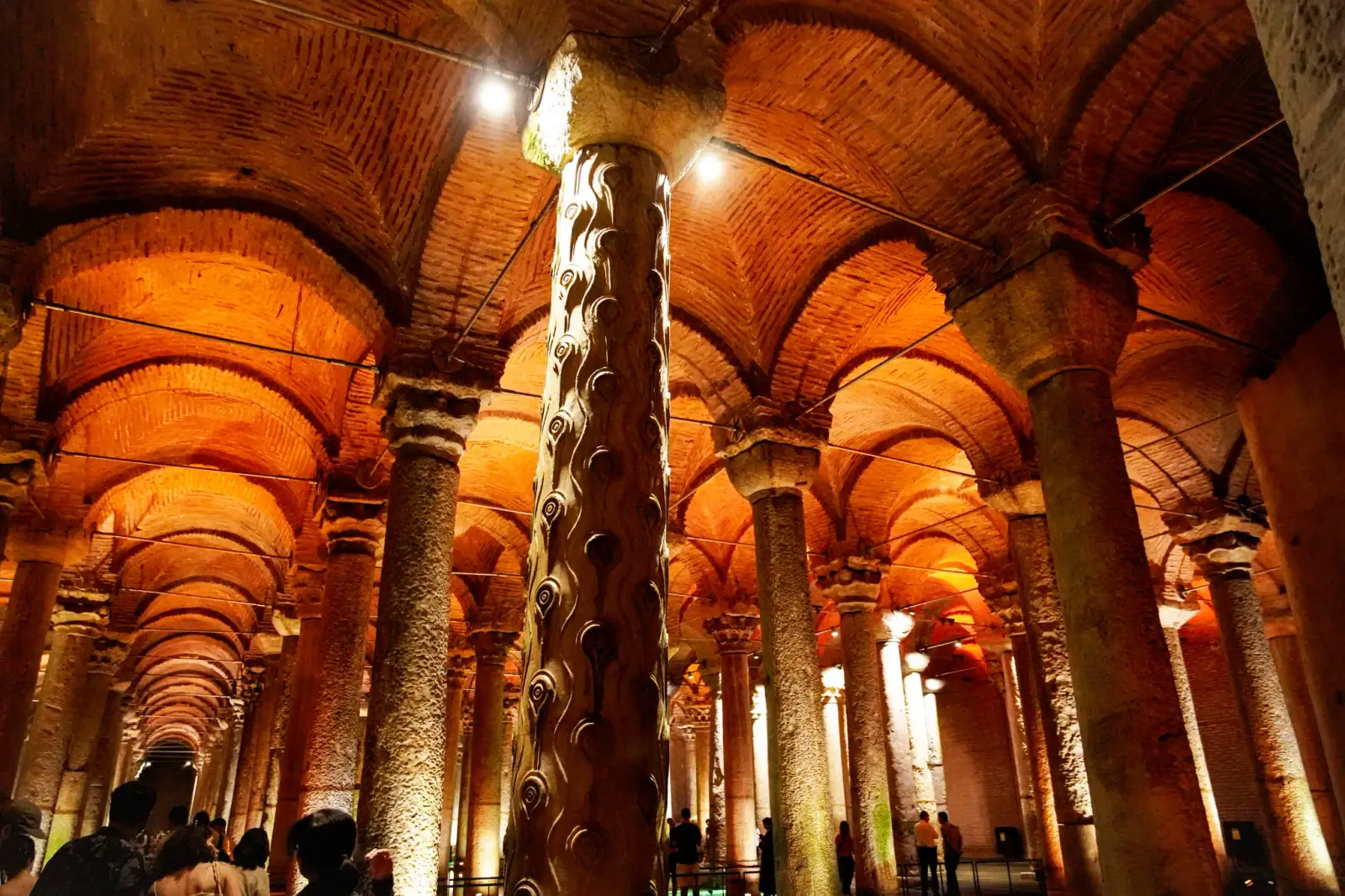
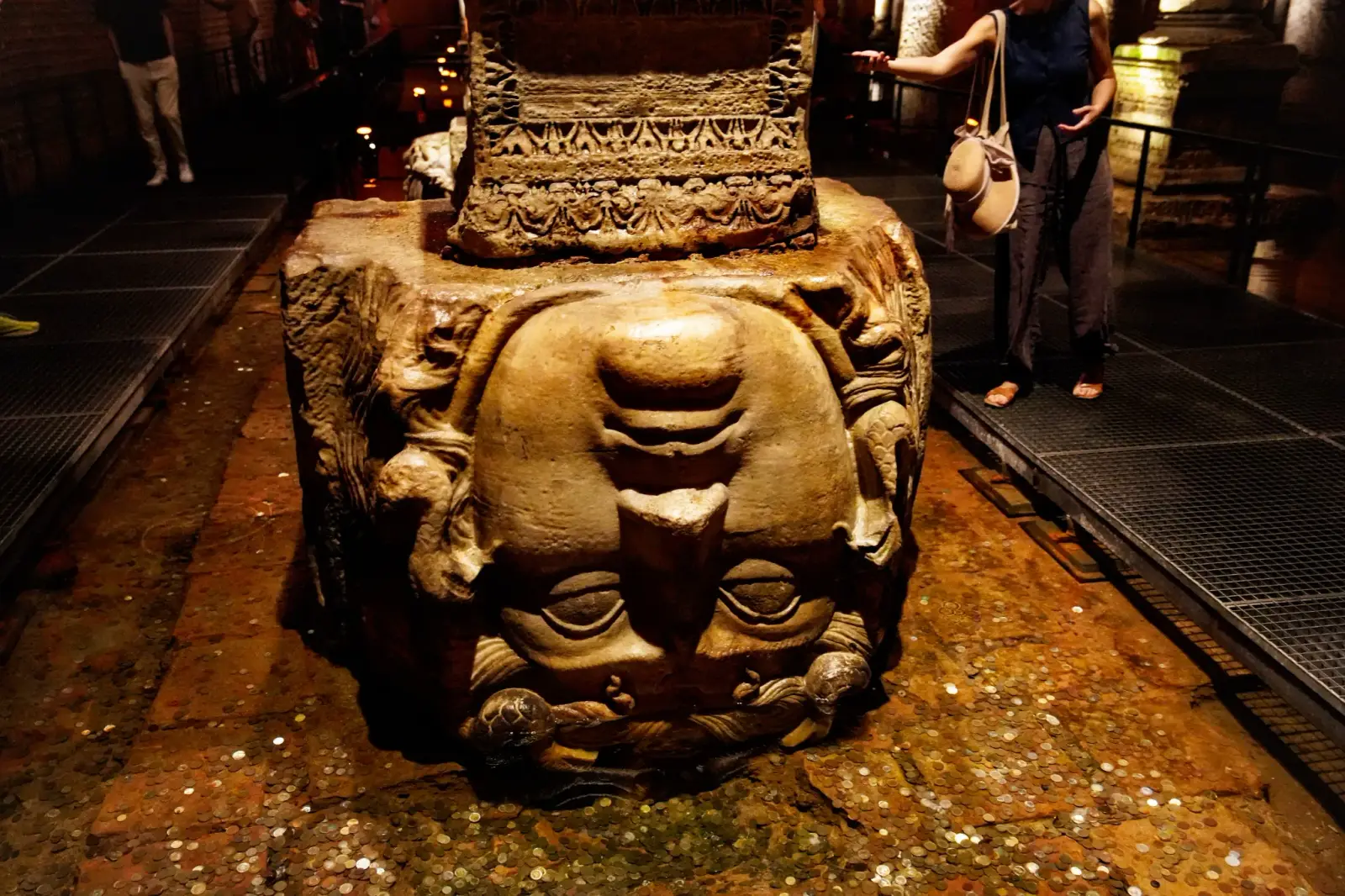
I walked along the wooden platform until I reached the Weeping Column, its surface carved with teardrop-shaped relief patterns and persistently damp to the touch. From there, following the walkway toward the northwest corner, I arrived at the famous Medusa heads. Seeing them in person was striking: two massive classical blocks carved with serpentine hair, serving as column bases. One lay completely upside down, while the other rested sideways on its cheek. The Byzantine builders had reused them purely as functional foundations, yet centuries later they lent the far corner of the reservoir an eerie, quiet majesty.
The cistern is a relatively short stop compared to sprawling palace complexes, but because I refused to rush, it became a meditative pause right in the middle of the peninsula.
Tickets and visiting hoursBasilica Cistern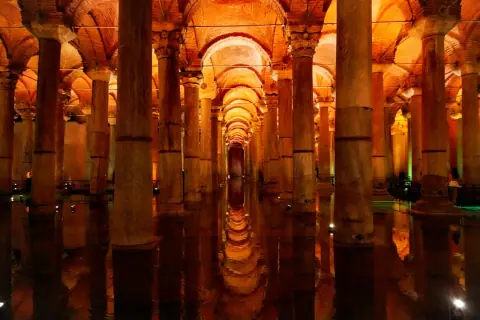
A quiet tea and the rhythm of the Mevlevi sema
Emerging back into the daylight, the afternoon sun felt bright against my eyes. I sat down on a stone bench under a plane tree with a small tulip glass of hot tea, jotting down a few notes in my pocket ledger and adjusting the shutter dial on my rangefinder camera. The transition from the underworld of the cistern to the street was pleasant, and I let nearly an hour pass simply watching the neighbourhood carry on around me.
As dusk settled over Sultanahmet, I made my way toward the hall for the Mevlevi sema ceremony. I had read enough before coming to understand that this was not a theatrical performance or a dance spectacle staged for tourists, but a centuries-old spiritual ritual rooted in contemplation and remembrance. The atmosphere in the room was hushed from the moment I sat down.
The ceremony opened in complete silence before the musicians began to play. The haunting, breathy sound of the ney—the traditional reed flute—filled the room, paired with the steady, measured beat of the kudüm drum. The semazens entered in long black cloaks, representing worldly attachments. After bowing with quiet reverence, they shed their outer garments to reveal flowing white robes and tall felt caps.
Once the turning began, the entire room seemed to hold its breath. With arms crossed at first, then opening wide—the right palm facing upward toward the divine and the left palm turned down toward the earth—the semazens revolved slowly, their skirts blooming outwards in pristine white circles. Spectators were asked to maintain absolute silence, with no applause and strictly no photography. For nearly an hour, the repetitive, hypnotic rhythm of the music and the silent rotation of the robes created an atmosphere of pure peace. It felt like watching a living prayer unfold in real time.
Tickets and visiting hoursWhirling dervish ceremonyDinner by the imperial walls at Chimney Bistro
By the time the sema concluded, full night had fallen over the Historic Peninsula. The air held that cool sea dampness that rolls off the Marmara after sunset. I walked back through Sultanahmet, turning onto Soğuk Çeşme Sokak—a charming, quiet street nestled directly against the towering stone outer walls of Topkapı Palace, just behind Hagia Sophia.
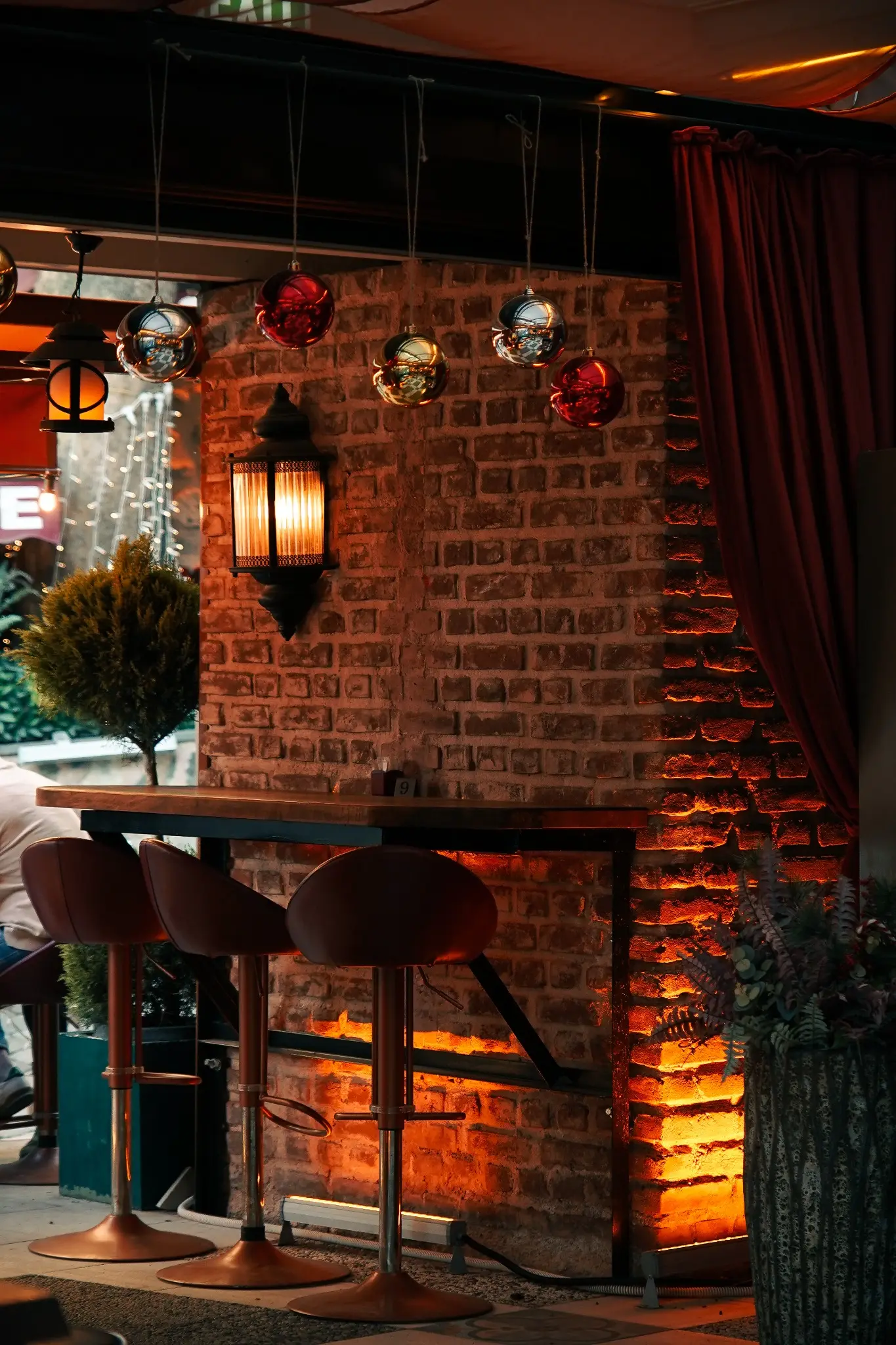
Tucked right into this historic stretch is Chimney Bistro. I had booked their Chimney Combo online earlier in the day, looking forward to an easy dinner with a meal and a drink included without having to puzzle over menus late in the evening. Stepping inside felt instantly welcoming. The interior was anchored by a handsome brick bar, and the space featured an open roof overhead that let in the cool evening breeze while keeping the dining area comfortable and warm.

I settled in at a small table, ordered a glass of red wine, and opted for the freshly baked beef pide. When it arrived, steaming hot with crisp, blistered edges and tender seasoned meat, it was precisely the kind of hearty, comforting food I crave after hours on my feet. Sitting beside the centuries-old palace stonework, nursing my drink in the gentle ambient light of the brick bar, I felt that deep, quiet contentment that comes when a day in Istanbul is allowed to unfold on its own terms.
Book a table and the meal comboChimney Bistro, Sultanahmet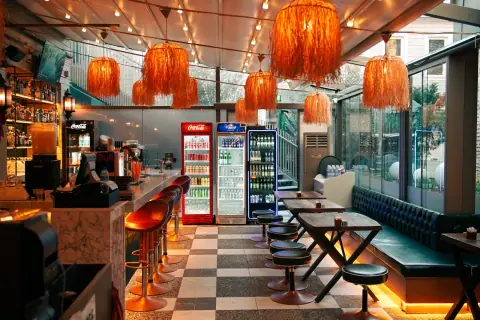
What I would do the same next time
- Pairing subterranean stone with contemplative music: Moving from the dim waters of the Basilica Cistern to the silent turning of the dervishes felt like a natural thematic pairing; both demanded quiet attention and rewarded an unhurried mind.
- Leaving generous empty spaces: Resisting the urge to squeeze another museum into the late afternoon gave me time to sit with tea, rest my feet, and properly absorb what I had just seen.
- Ending on Soğuk Çeşme Sokak: Having an evening table booked right by the palace walls at Chimney Bistro saved me from wandering around looking for dinner when I was already pleasantly tired.