My Unhurried Day From the Bosphorus Strait to Topkapı Palace and Dinner by the Walls
After a morning watching wooden mansions slip past from the deck of a Bosphorus boat, I spent the afternoon wandering the courtyards and Harem of Topkapı Palace. Here is how I let the city set its own gentle pace.
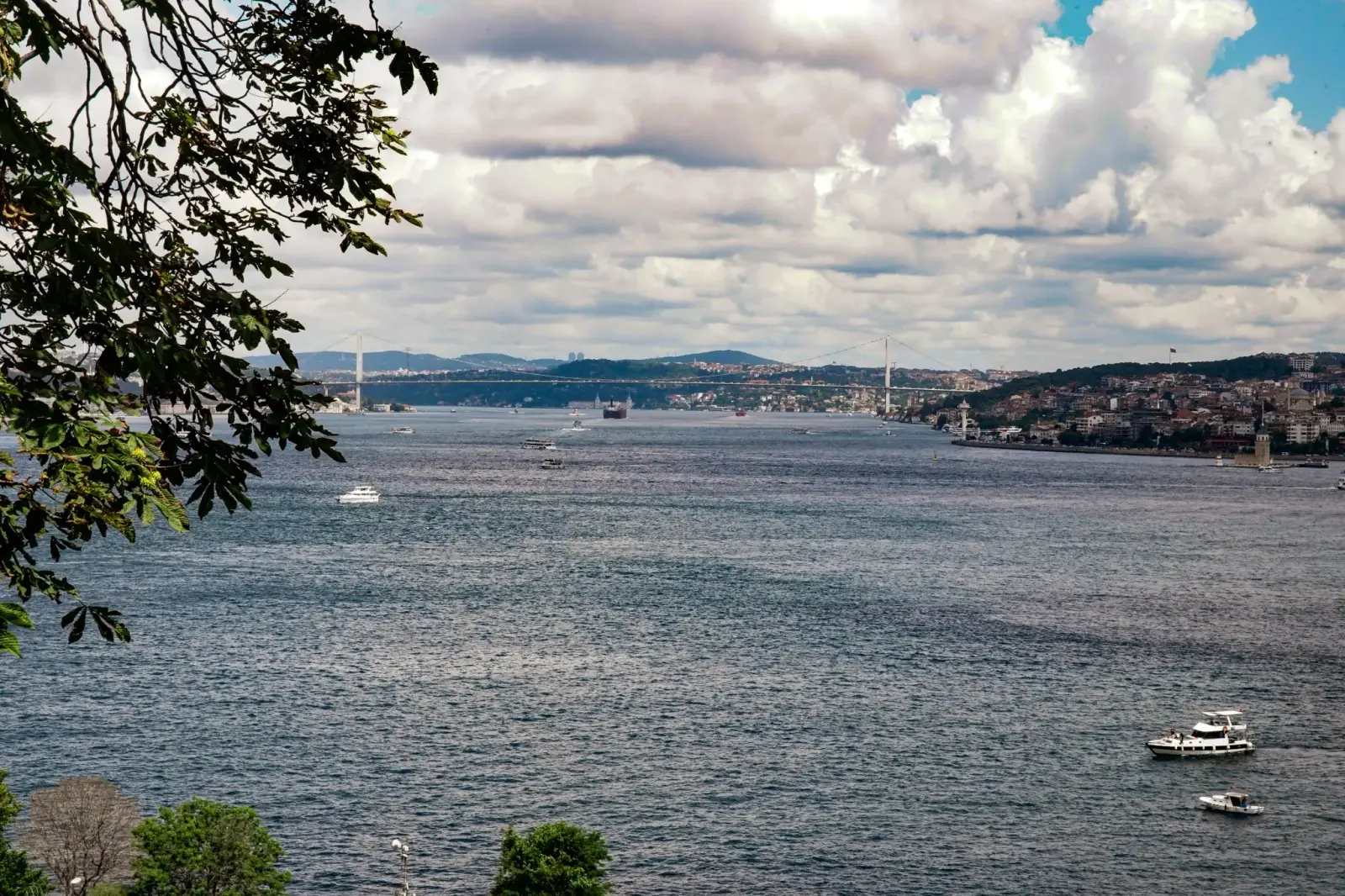
Whenever I land in Istanbul after an early flight from Zagreb, my first instinct as an archivist is to look for the things that stay grounded while everything else rushes past. In my day job, I handle old parish records, municipal maps, and handwritten ledgers from centuries when administrative rhythms moved by the clock of church bells and courier horses. Istanbul has always felt like a grand, seafaring cousin to that world. Growing up in Croatia, Ottoman loanwords slipped into everyday conversation without ceremony—we talk about the avlija (courtyard), the kaldrma (cobblestones), and having a proper merak over morning coffee. So when I come here, I leave the frantic sightseeing checklists in my bag. I prefer to let the day unfold polako, one deliberate step at a time.
On this trip, I decided to begin on the water before climbing the promontory into the seat of the empire, finishing with a quiet table tucked against the stone fortress walls.
The morning breeze at Eminönü
I stepped out into the crisp morning air and headed down toward the docks of Eminönü. The waterfront was already alive with the smell of roasted chestnuts, diesel exhaust, and the brackish tang of the Golden Horn. Before boarding, I leaned against the railing with a hot glass of black tea, watching commuter ferries churn white foam into the dark water. The rangefinder camera around my neck felt cool against my chest.
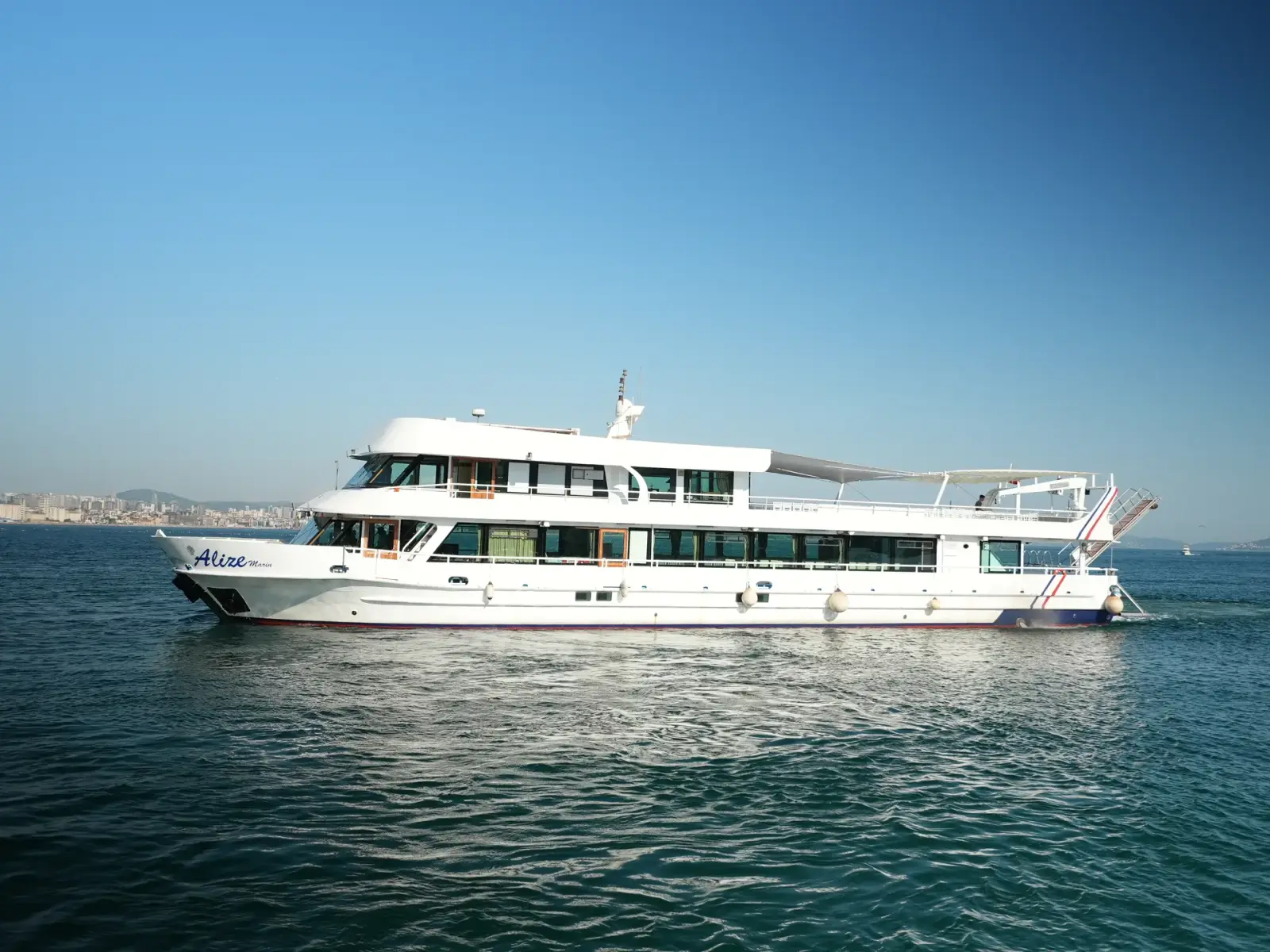
I boarded a Bosphorus sightseeing cruise just as the sun began burning away the morning haze. Watching Istanbul from the open deck of a boat is the only way to grasp its true geography. From the water, the city stops feeling like an overwhelming metropolis and reveals its natural logic—hills stepping down to meet the current, ancient sea walls clinging to the shoreline, and minarets puncturing the skyline like compass points.
As the boat pushed north along the European shore, the grand facade of Dolmabahçe Palace slid by, followed by the ornate baroque curves of Ortaköy Mosque nestled right against the suspension bridge. Further up, wooden waterfront mansions—the classic Ottoman yalı—lined the banks with their weathered timber balconies hanging over the wake. The boat turned back near the stone battlements of Rumeli Fortress, giving me a sweeping panoramic look at the Asian shoreline on our return.
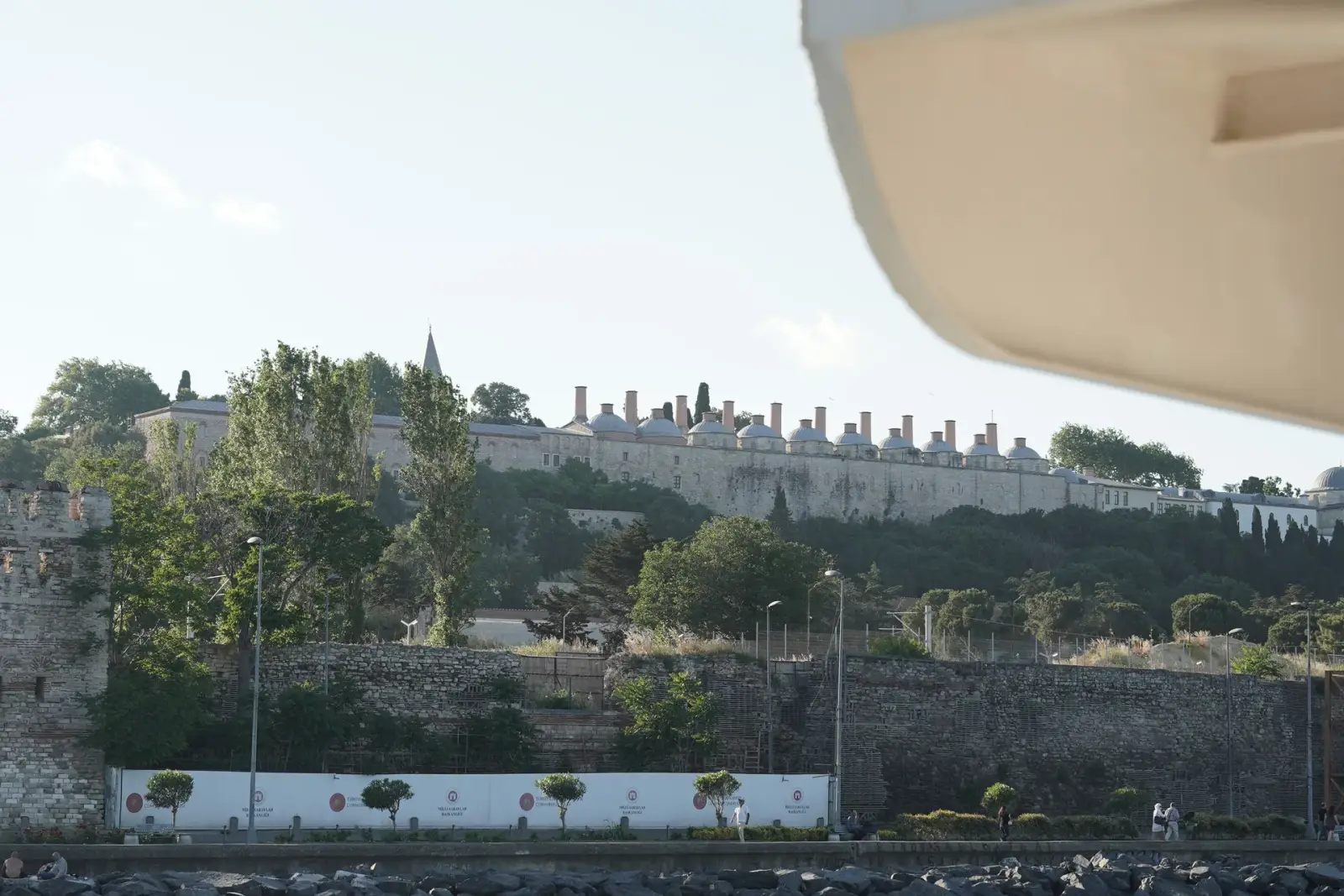
What struck me most on the return leg was the silhouette of Sarayburnu rising ahead: the wooded promontory where the sultans built their court, commanding the entrance to both the Bosphorus and the Golden Horn. Seeing Topkapı Palace perched above the trees from sea level gave me a completely new appreciation for why that particular hill mattered so much to imperial geographers.
Tickets and visiting hoursBosphorus cruise
Walking uphill to Topkapı Palace
Stepping off the gangway at Eminönü, I avoided the crowded tram and walked up the gentle slope through Gülhane Park. Under the canopy of centuries-old plane trees, the noise of the waterfront softened into bird calls and the rustle of fallen leaves. The path led me naturally toward the outer perimeter of Topkapı Palace, bringing me through the Imperial Gate into the first courtyard.
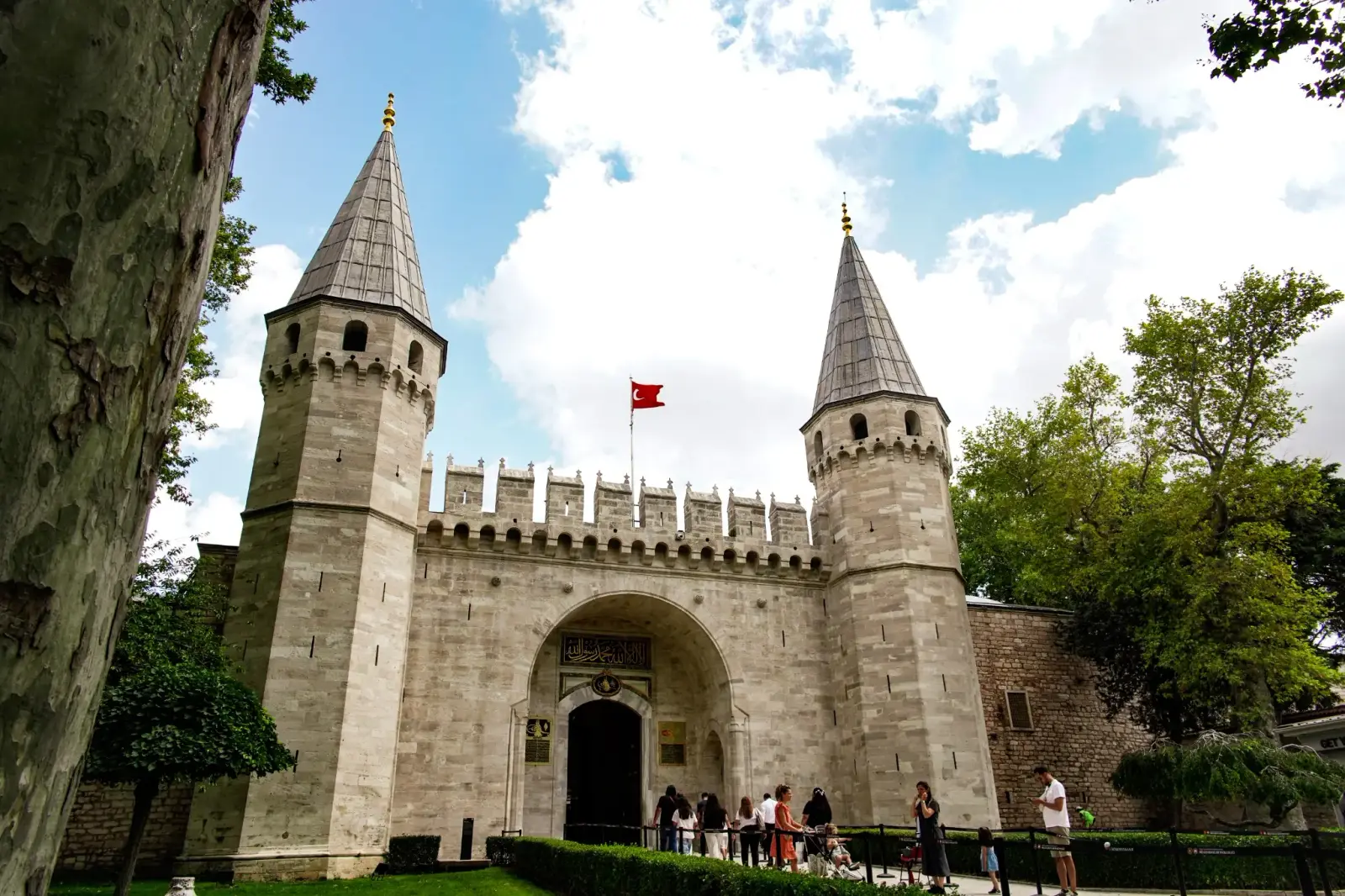
Topkapı is not a single monumental block like Versailles or the Habsburg palaces in Vienna; it is an organic complex of four open courtyards, quiet pavilions, and garden terraces. Passing under the twin stone towers of the Gate of Salutation, I stepped into the second courtyard, shaded by ancient cypress trees and lawns.
As someone who spends his working life among bureaucratic papers, my first stop was the Imperial Council Hall (the Kubbealtı). I stood under the gilded domed ceiling, looking up at the small latticed window where the sultan could sit unseen and listen to his viziers debating state affairs. Right across the courtyard lay the massive palace kitchens, recognizable from their dramatic rows of brick chimneys. Inside, I wandered past the iron cauldrons and the imperial collection of celadon and blue-and-white porcelain, marveling at the sheer logistical machinery needed to feed thousands of palace residents every single day.
The quiet geometry of the Harem and the terraces
I made sure to set aside unhurried time for the Harem. Entering this private domestic labyrinth requires shifting into a slower gear entirely. The narrow, tiled corridors opened into peaceful courtyards lined with ornate colonnades, marble fountains, and private apartments.
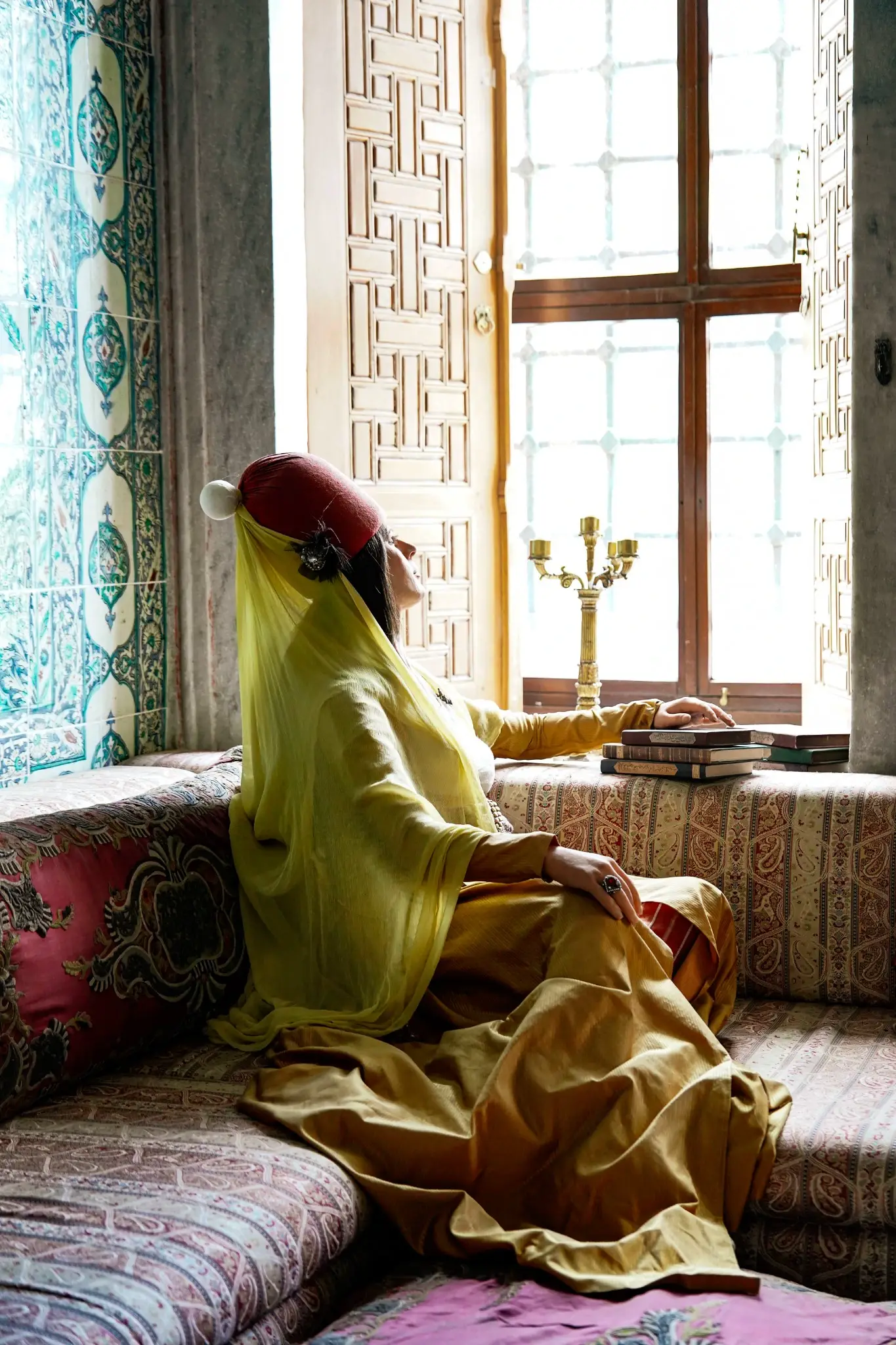
I lingered longest in the tiled chambers, where panels of sixteenth-century Iznik ceramics covered the walls from floor to ceiling. The floral patterns—tulips, carnations, and swirling vine motifs in deep cobalt, turquoise, and coral red—retained an incredible vibrancy despite the centuries of damp winters. In the quiet reading rooms and sitting chambers, with low divans set beneath stained glass windows, the palace felt intimate rather than forbidding.
After emerging back into the central palace grounds, I walked past the Treasury and the clock museum, eventually making my way out to the fourth courtyard. This is where the pavilions open out toward the elements. Standing on the marble terrace by the gilded canopy of the Iftar Pavilion and the Baghdad Pavilion, I looked down at the exact stretch of the Bosphorus where my boat had sailed only a few hours earlier. The ferries below looked like toy models cutting through turquoise ribbon, and the afternoon breeze was clean and sharp.
Tickets and visiting hoursTopkapi Palace
Evening around the corner at Chimney Bistro
By late afternoon, my feet were weary from walking across acres of stone flagstones and garden gravel. I left the palace complex through the gate near Hagia Irene and turned down Soğuk Çeşme Street, a cobblestone lane lined with handsome timber-framed Ottoman houses that nestle directly against the towering stone walls of the outer palace precinct.
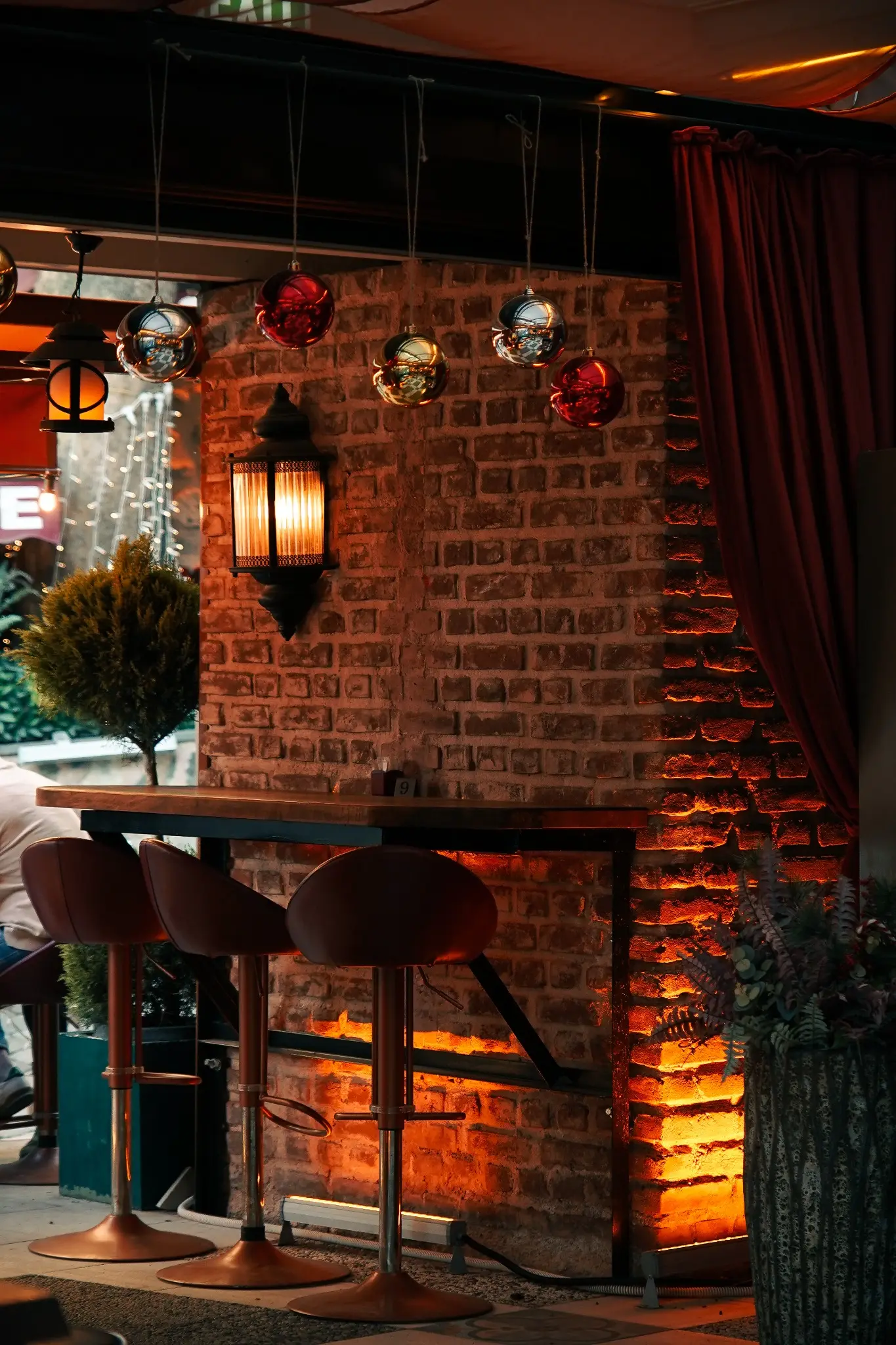
Just along this quiet street, I stopped at Chimney Bistro. It was exactly the kind of unpretentious shelter I look for after a long day on my feet. Inside, the warm exposed brick around the bar and the soft lighting felt immediately welcoming, though they also have an open roof area for warmer days.
I found a quiet table, ordered a glass of robust Turkish red wine, and opted for their beef pide—fresh from the oven, with a crisp, canoe-shaped crust and savoury, well-seasoned filling. Sitting there with my notebook open, reviewing the frames I had exposed on my camera and listening to the faint clatter of plates and quiet chatter around the bar, I felt that deep, restful contentment that comes when you refuse to rush Istanbul.
Book a table and the meal comboChimney Bistro, Sultanahmet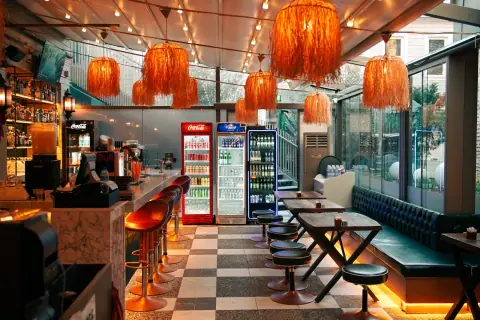
What I would do the same next time
- Starting on the water before entering the palace: Seeing the topography of the Historic Peninsula from the Bosphorus first gave the stone courtyards of Topkapı a geographical context that made wandering through them much more meaningful.
- Giving the Harem its own dedicated stretch of time: The Harem is too rich in tilework, layered architecture, and quiet courtyards to treat as a quick side room; letting myself drift through slowly made all the difference.
- Walking through Gülhane Park instead of taking the tram: The park path is gentle, shaded, and completely untangled from the street traffic, making the transition from the pier to the palace gates effortless.
- Ending the walk on Soğuk Çeşme Street: Finding a relaxed dinner right beside the ancient palace walls spared me another trek across town when my legs were already tired.